<Rendering>
Group exhibition by
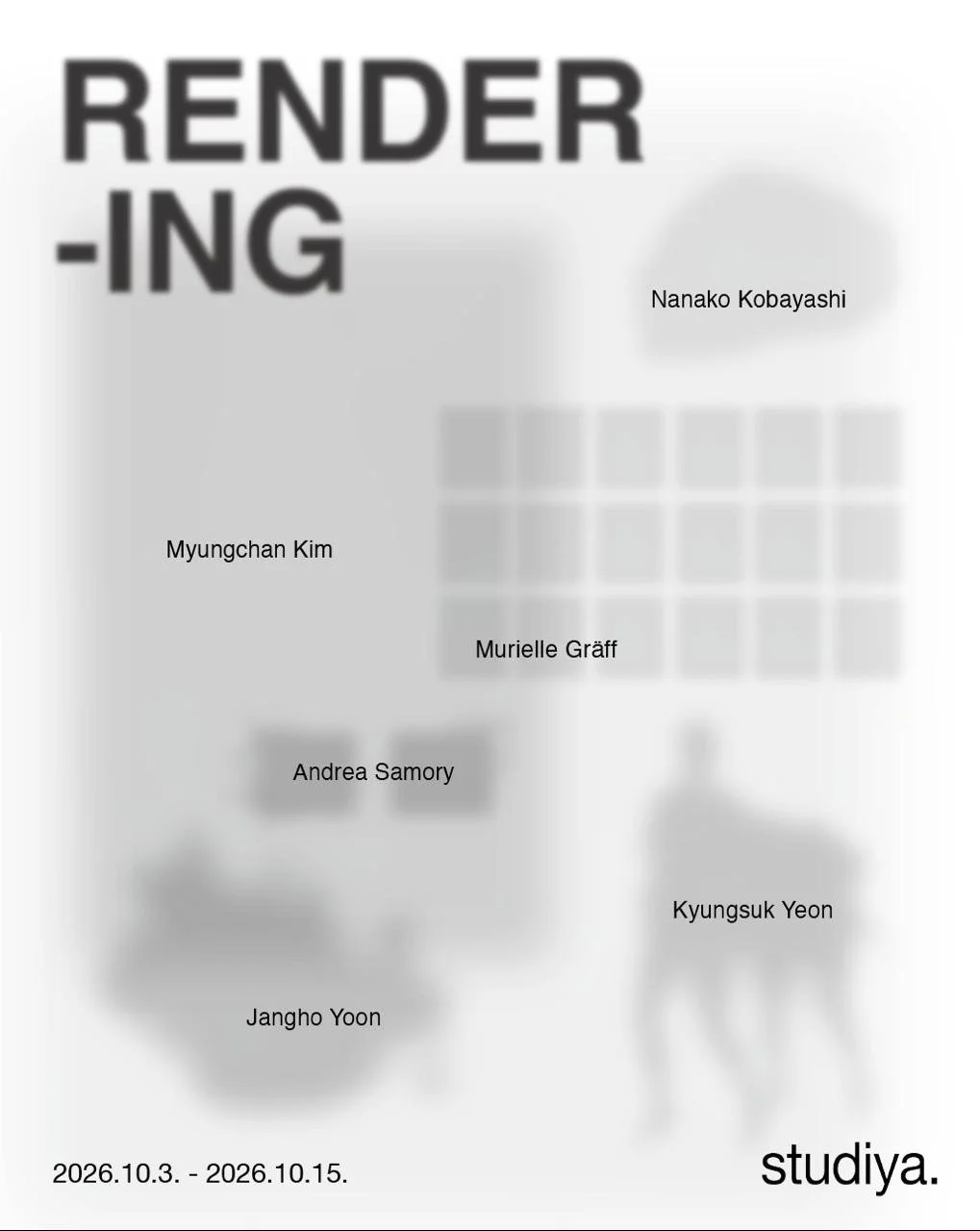
Andrea Samory, Jangho Yoon, Kyungsuk Yeon, Murielle Gräff, Myungchan Kim, Nanako Kobayashi.
2026.10.03 - 2026.10.15
Memory cannot fully reconstruct the past, just as records cannot preserve it in its entirety. Some things remain and return repeatedly, While others gradually fade or disappear. Familiar images and events may re-emerge over time in altered or unfamiliar forms. What remains, therefore, does not simply retain its original state; it acquires new contexts through subsequent experiences, relations, and acts of recollection.
Render-ing begins from the interval between an initial state and what is presently before us. Rendering conventionally refers to the process through which information is processed and translated into a visible image or form. Yet the act of giving form to something is never a matter of direct transfer. Through selection and omission, repetition and transformation, certain elements are intensified while others recede, allowing new relations to emerge in the process. The exhibition extends the notion of rendering beyond its technical definition to consider how reality itself comes to assume form.
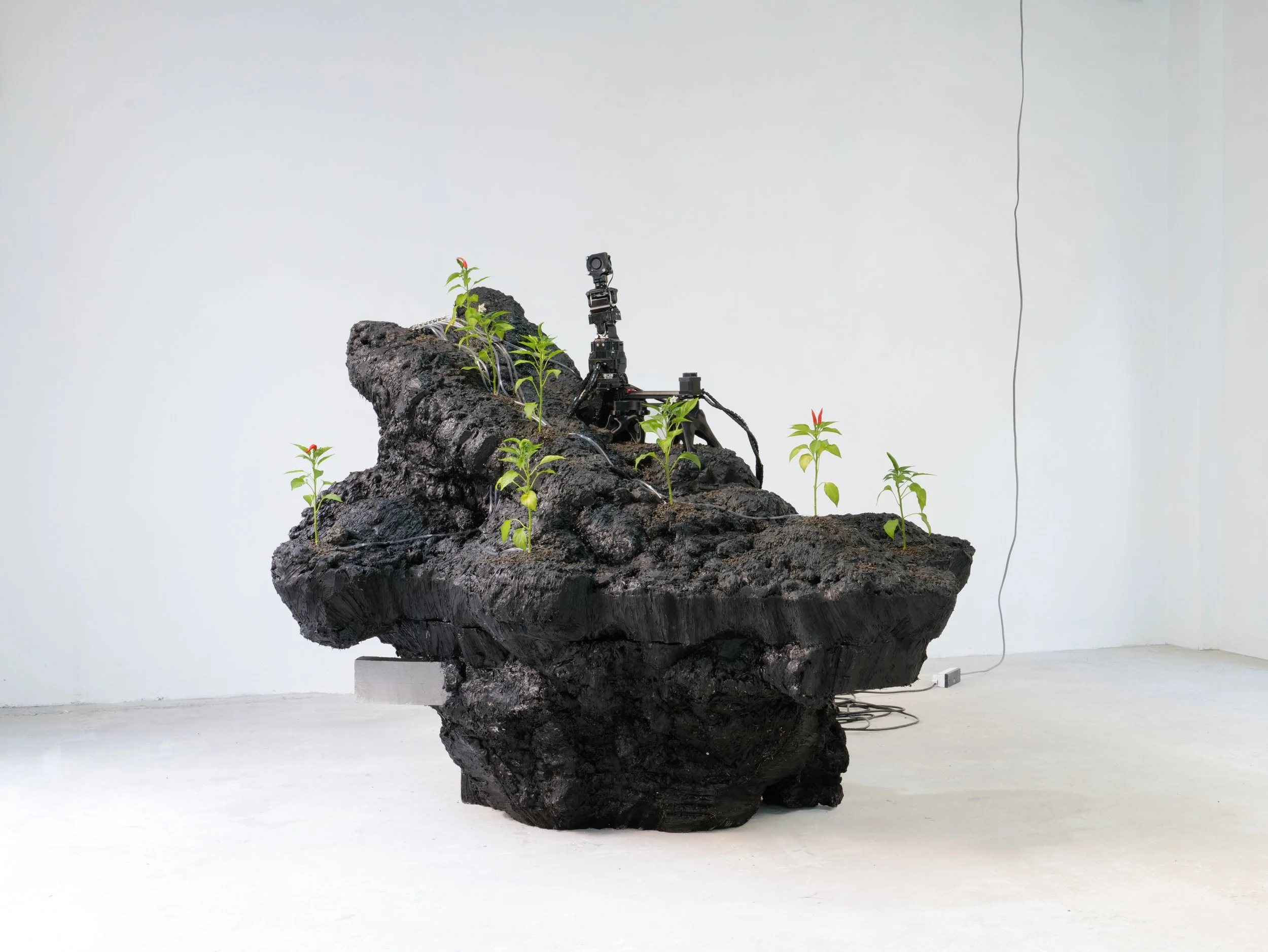
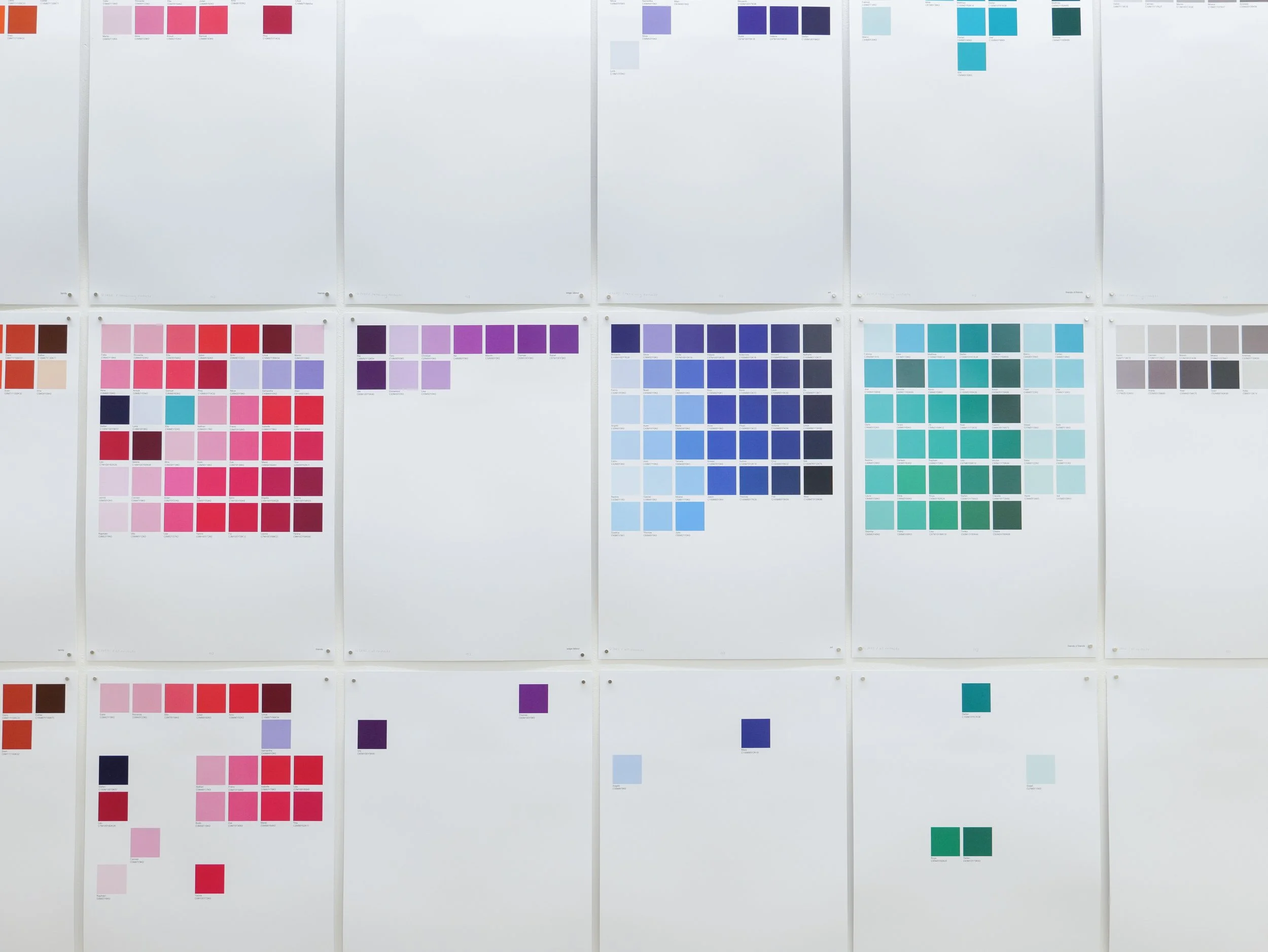
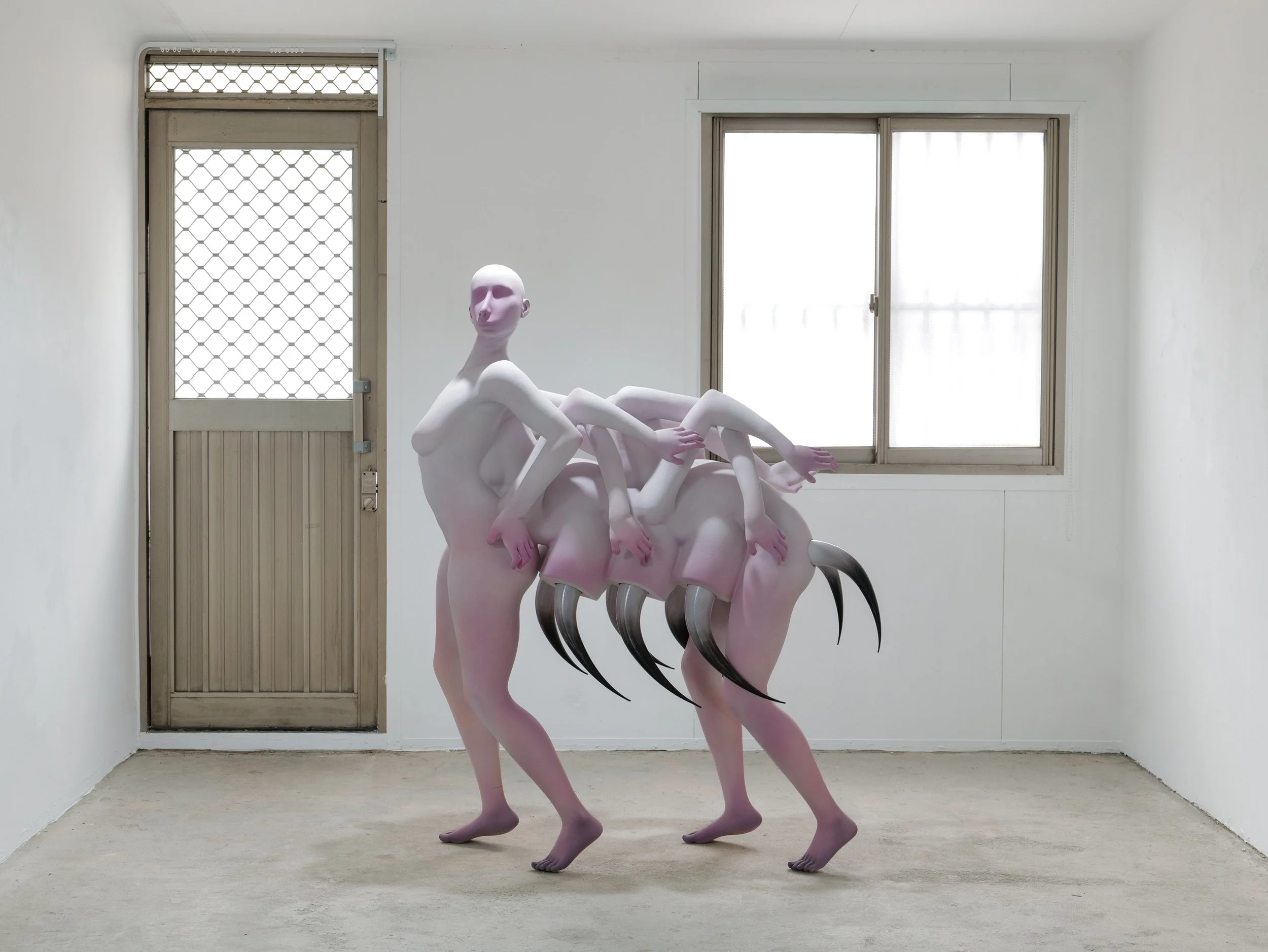
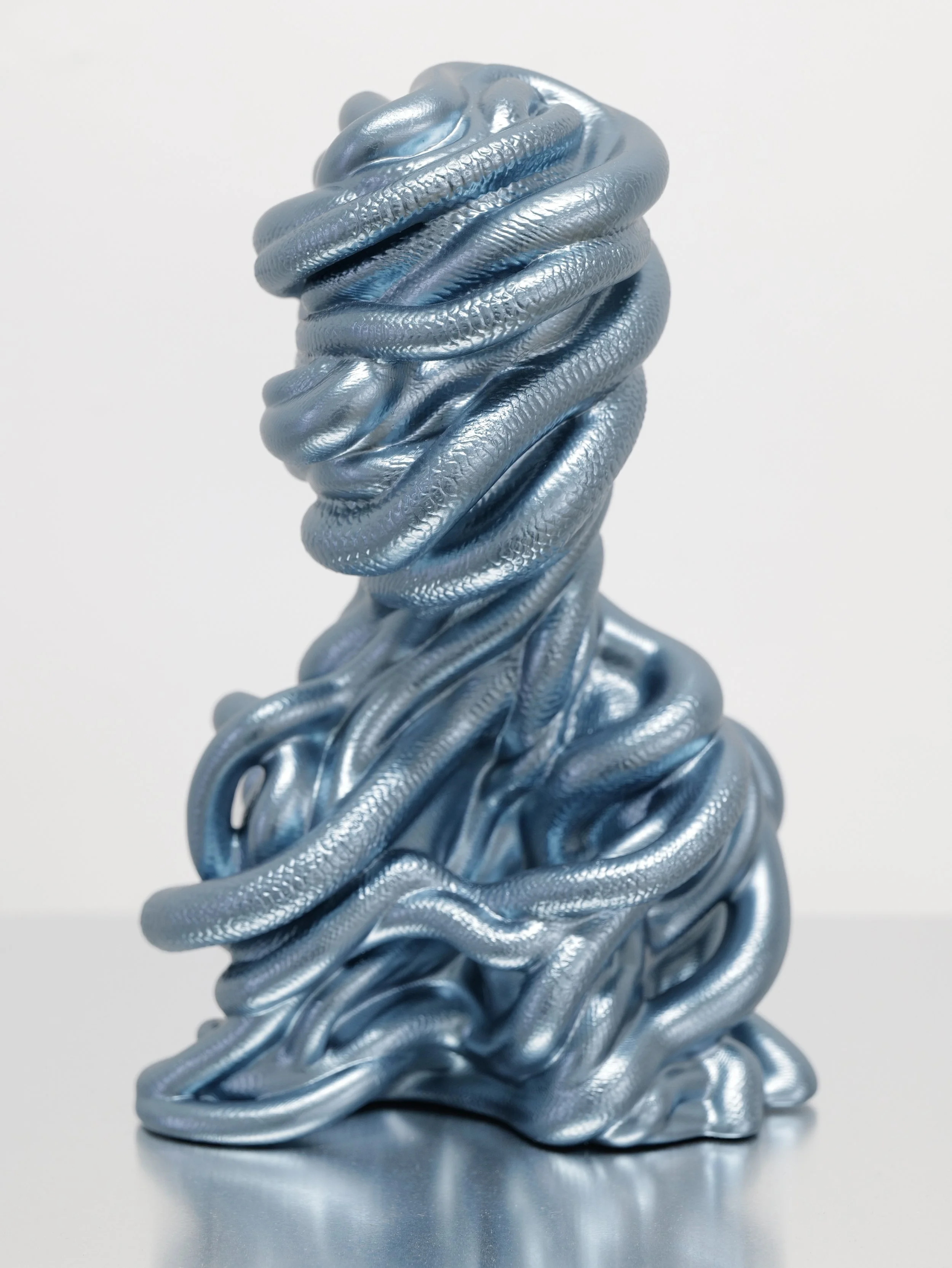
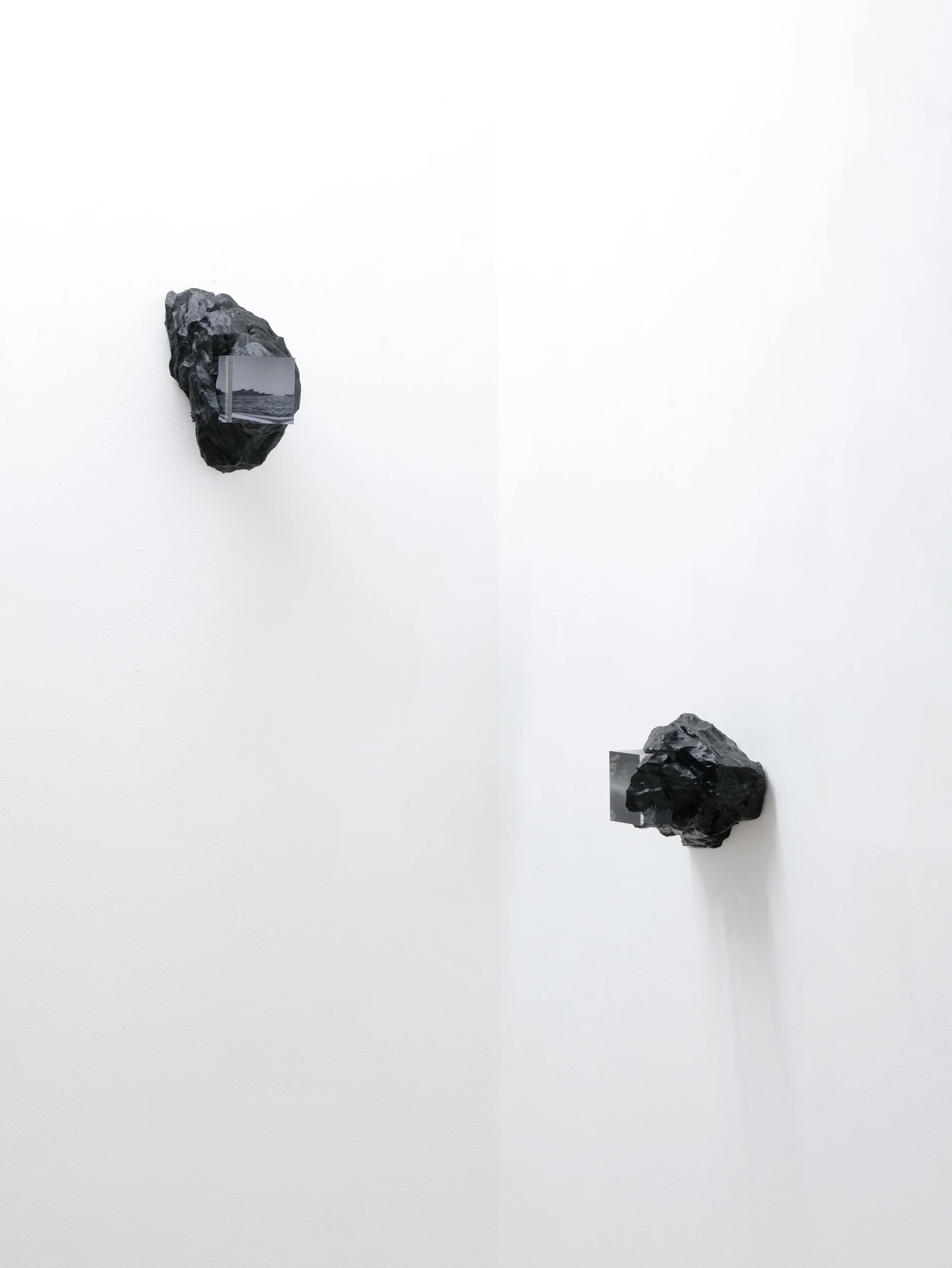
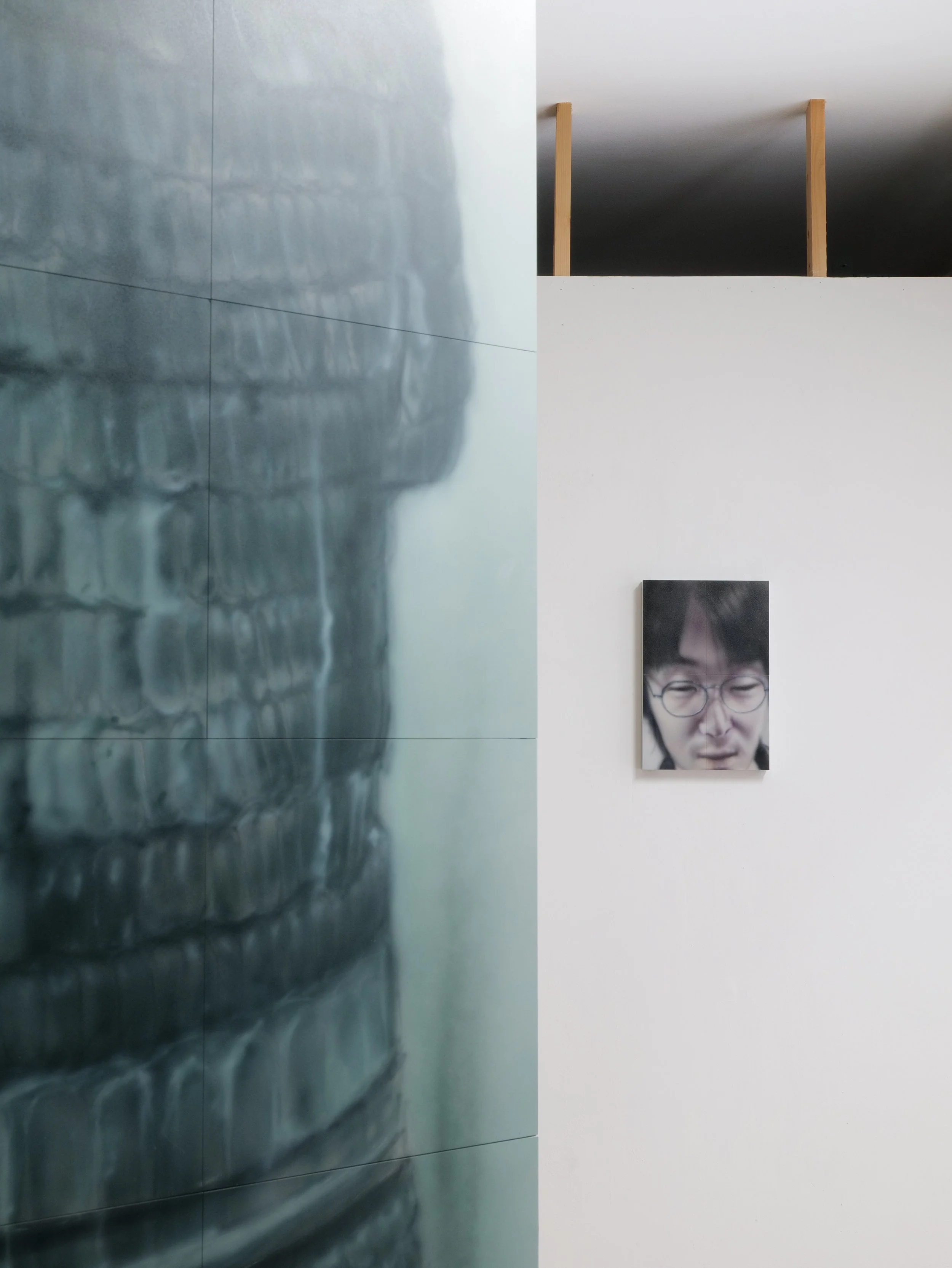
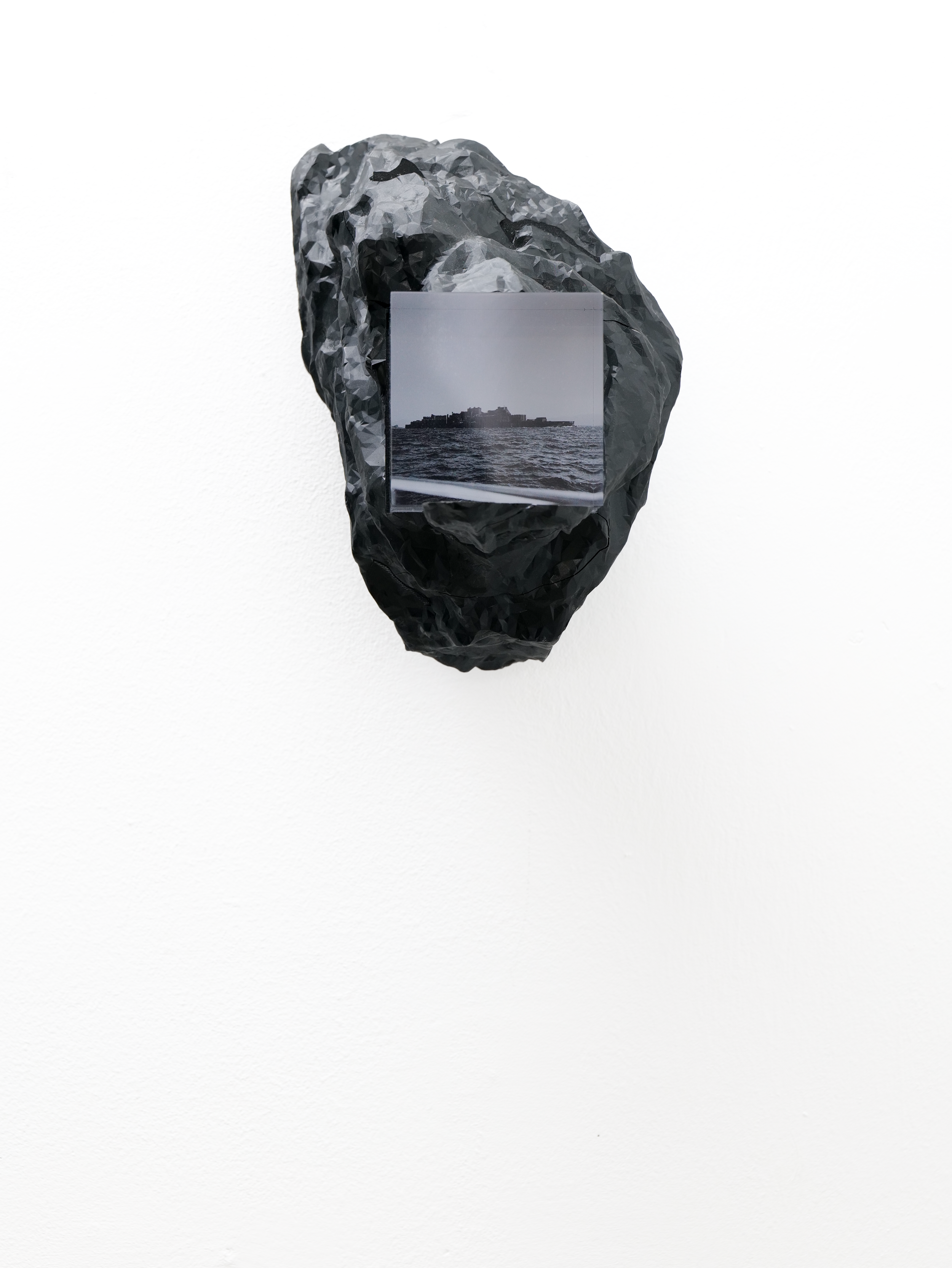
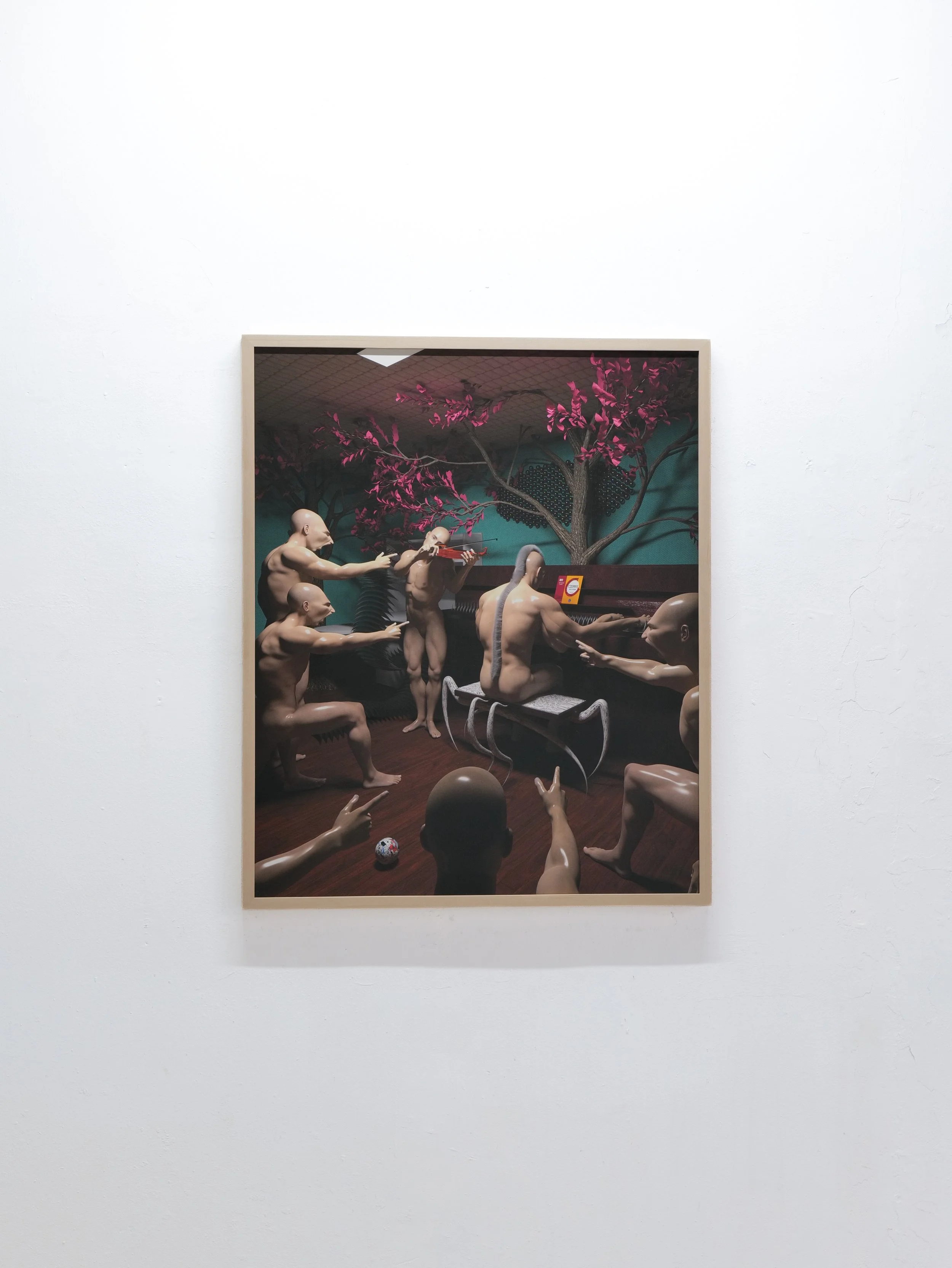
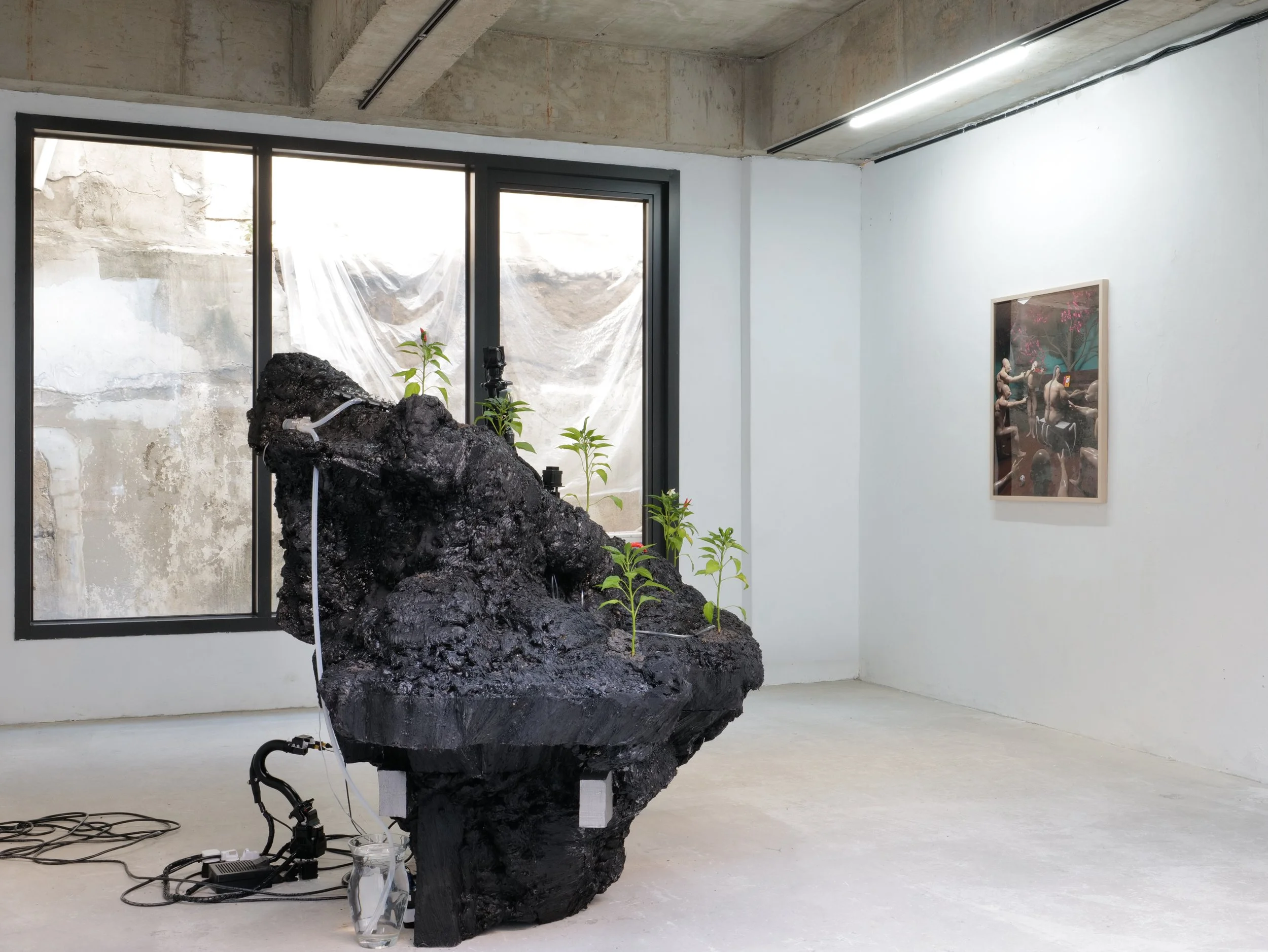
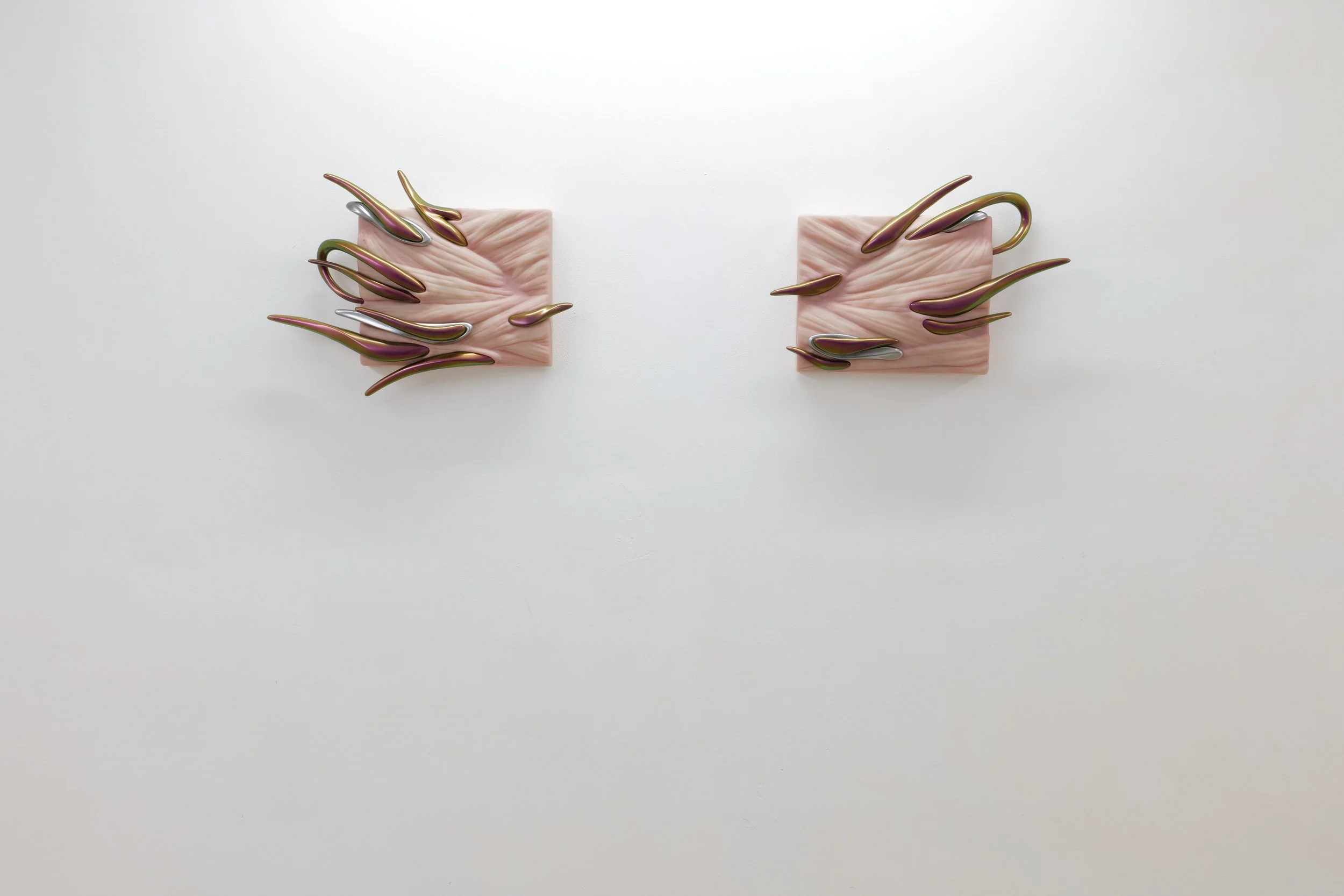
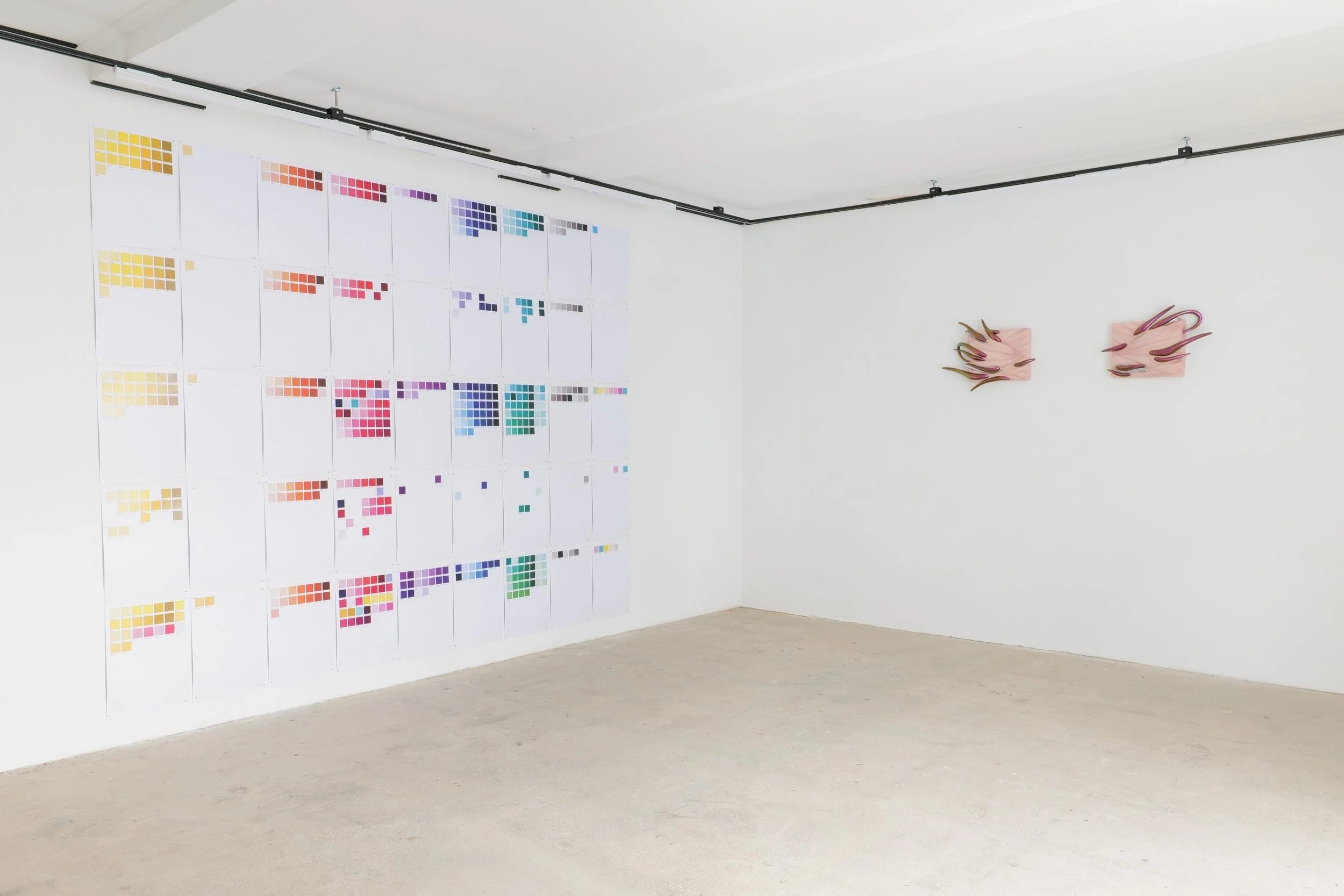
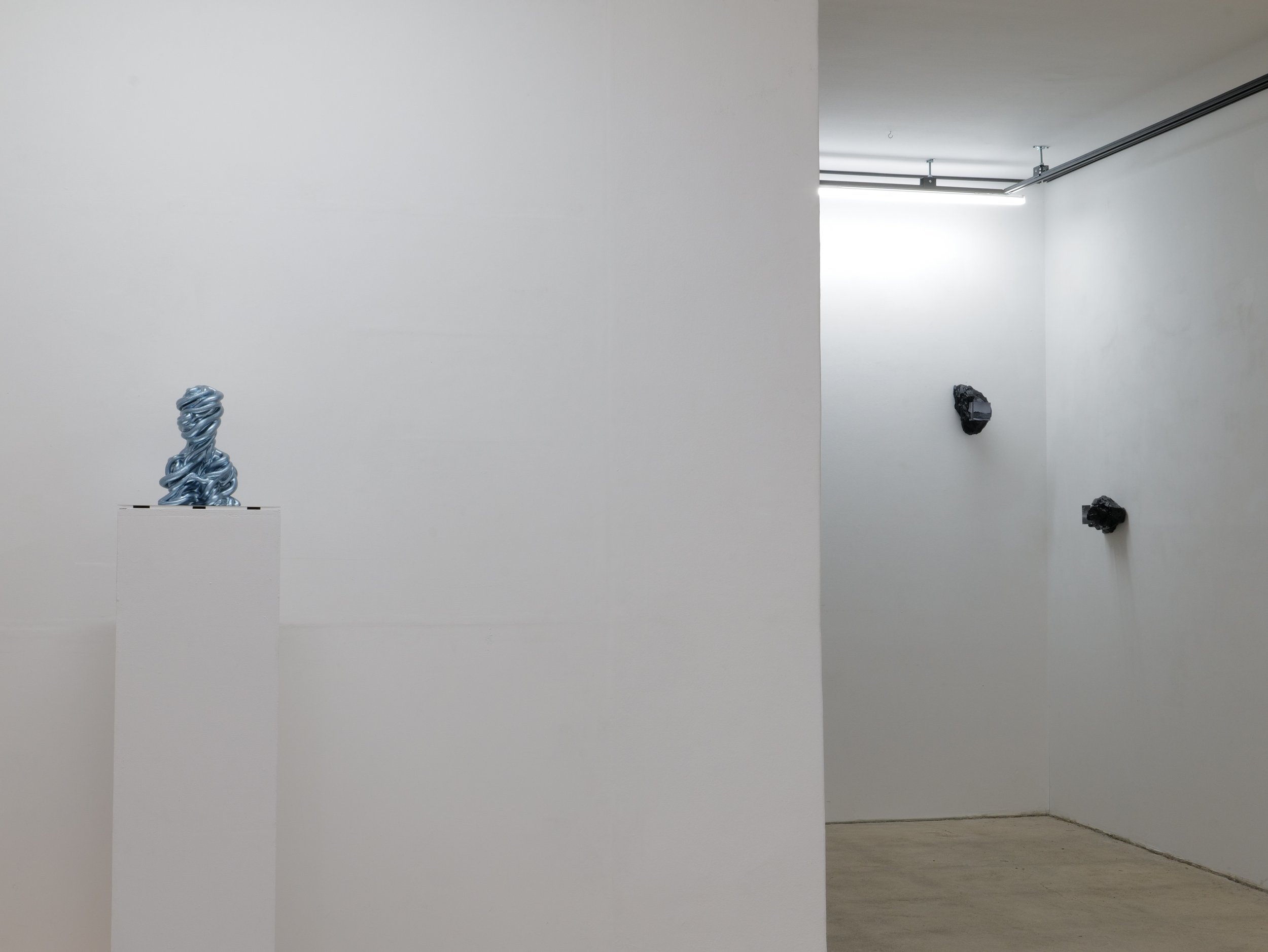
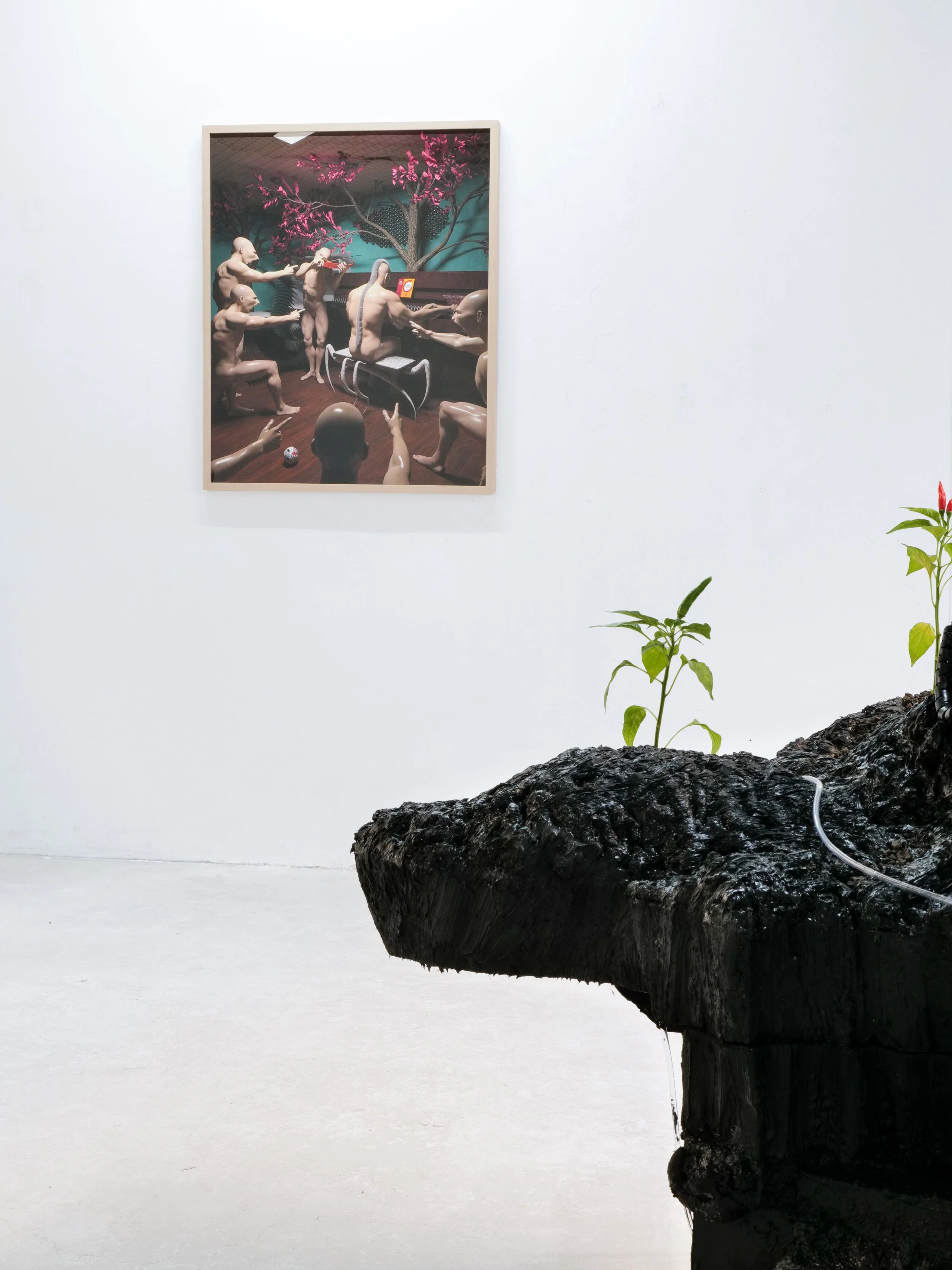
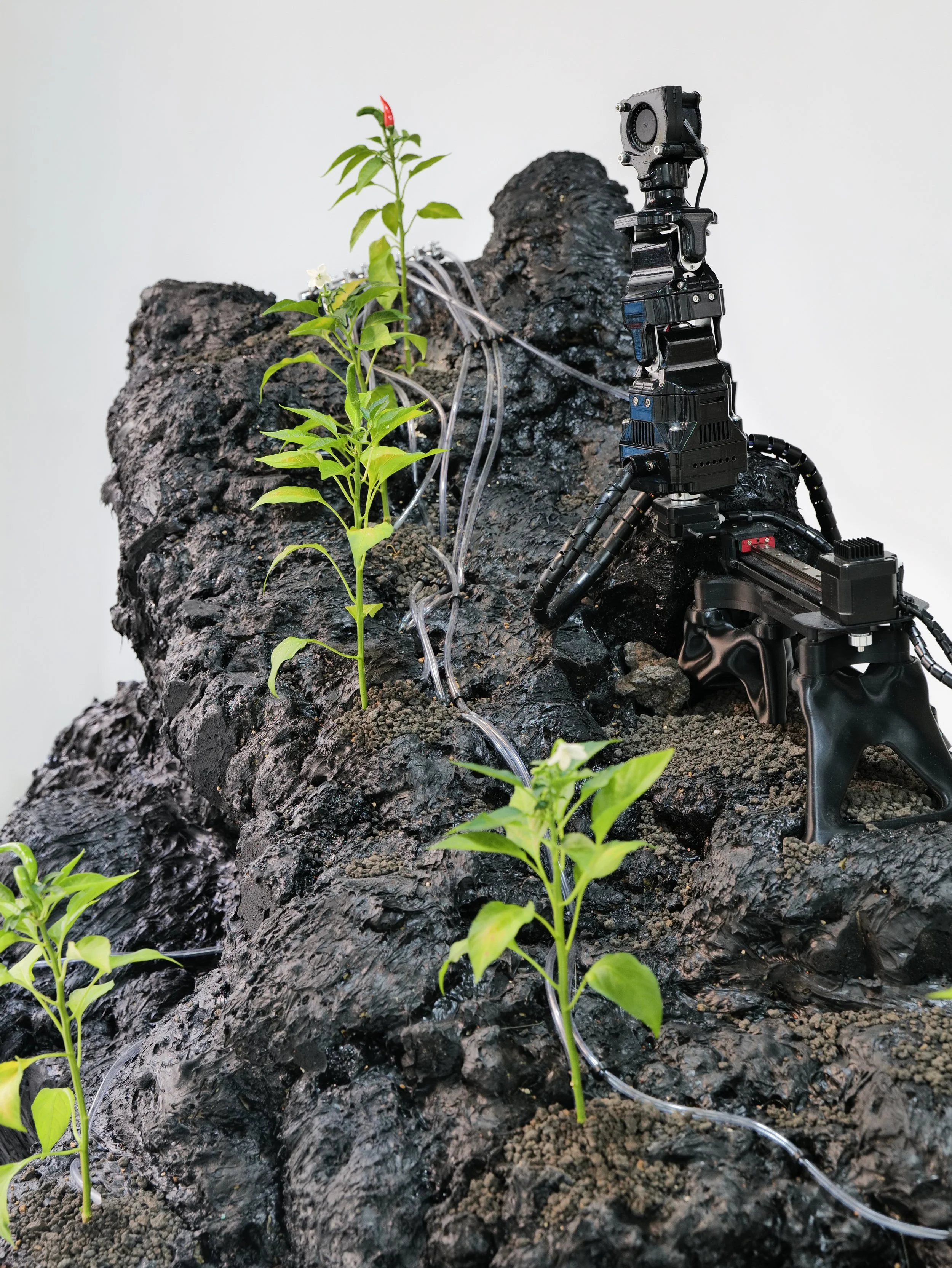
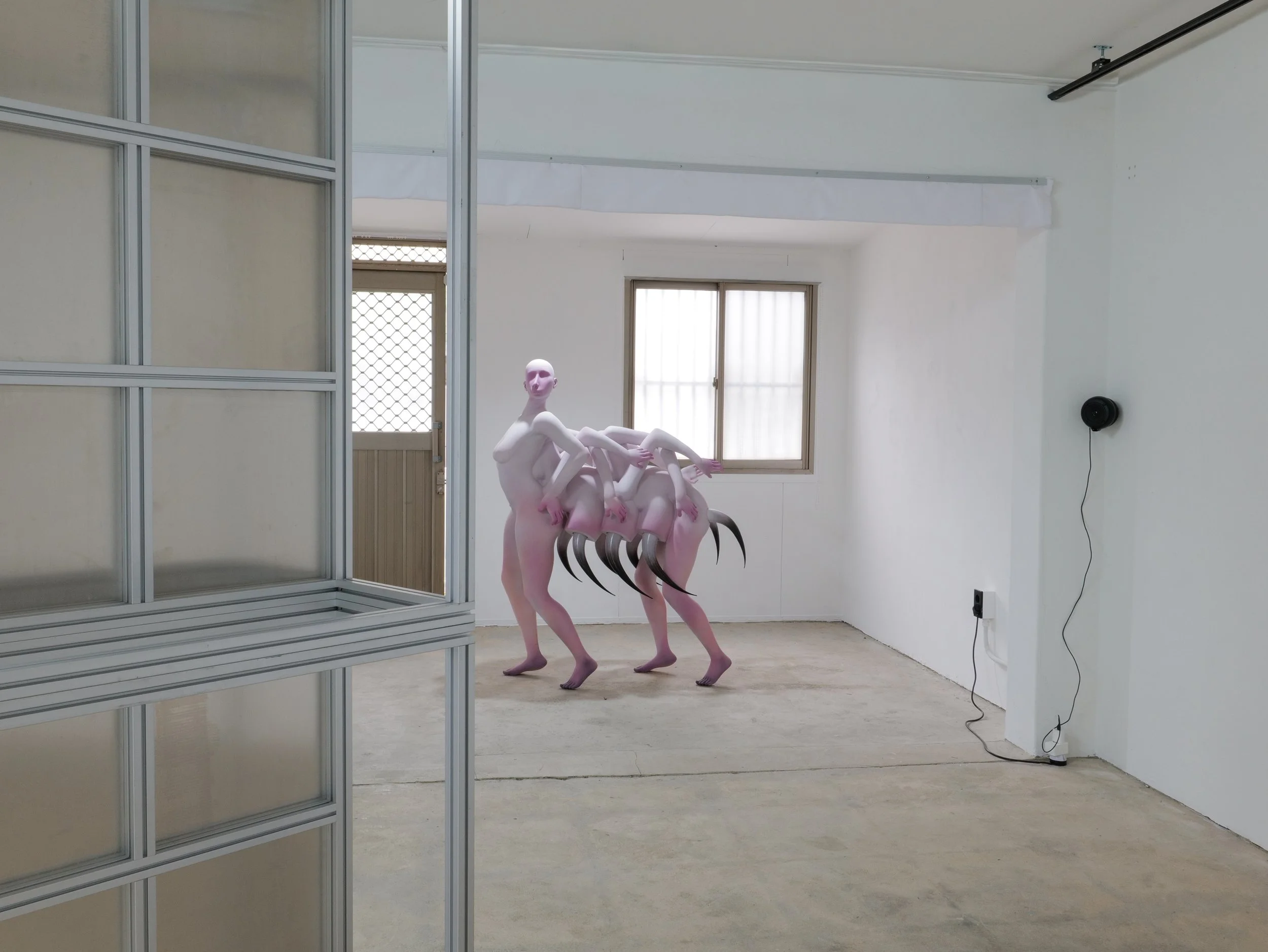
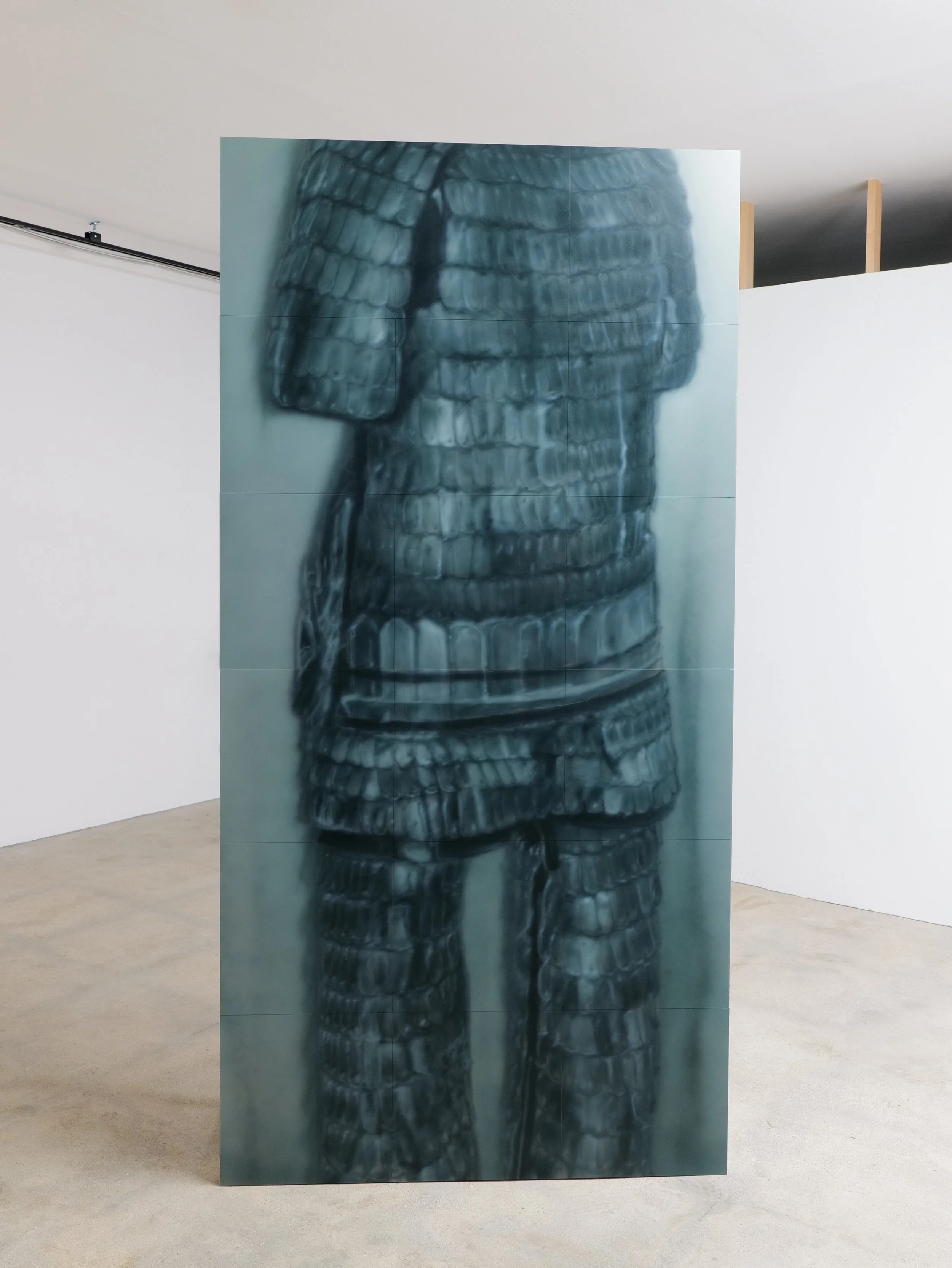
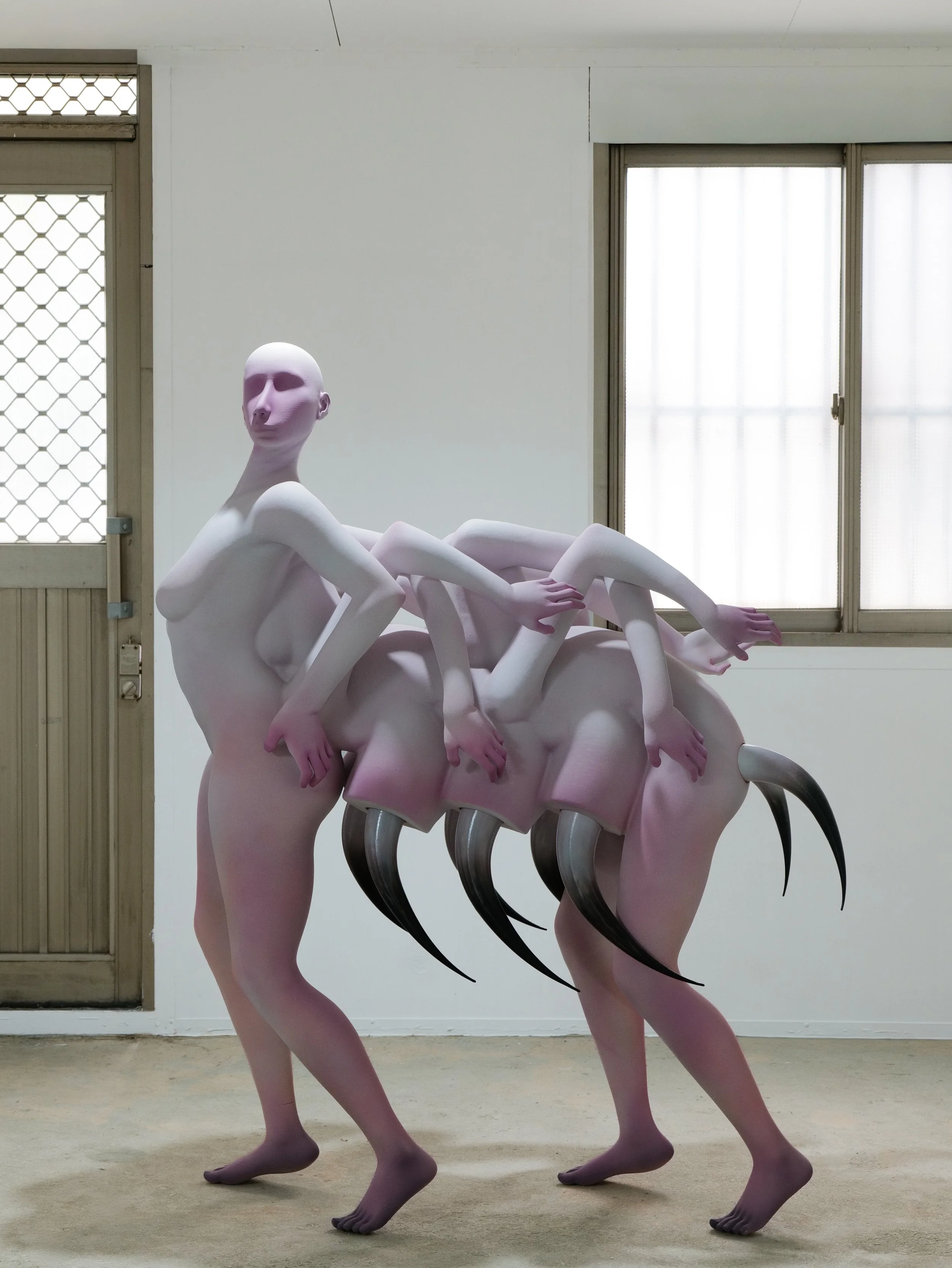
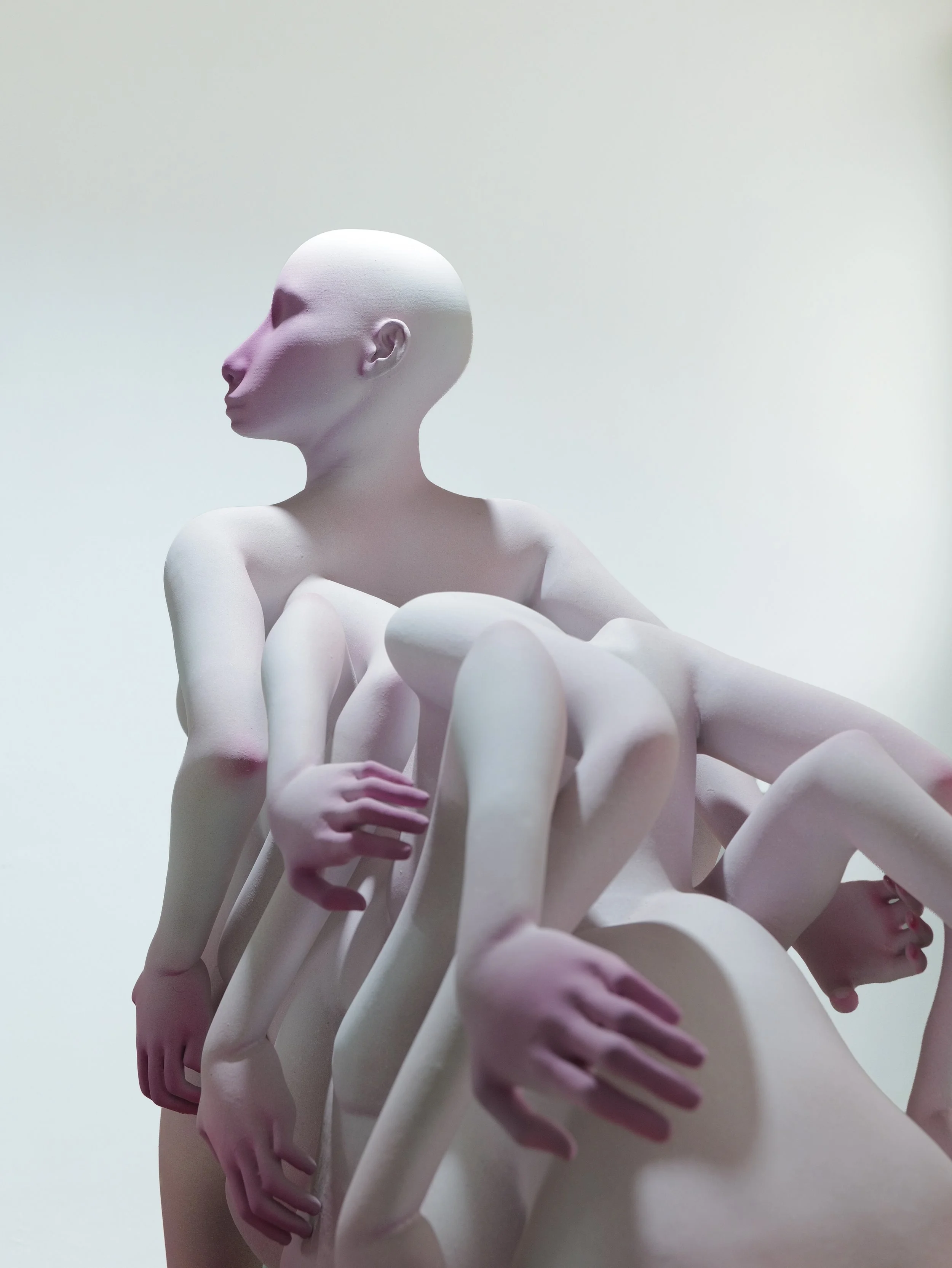
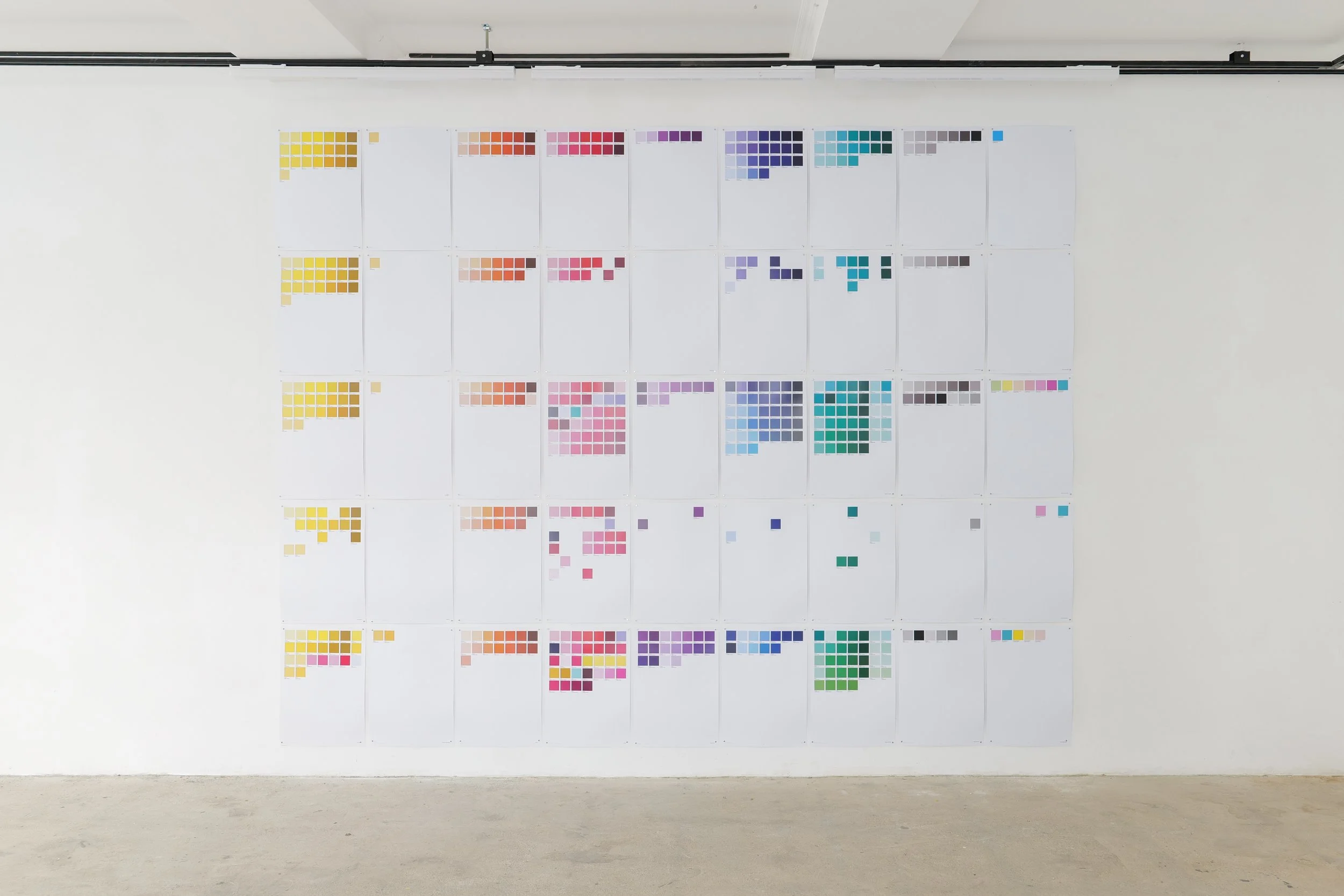
Across photography, painting, sculpture, installation, and movement, reality is mediated multiple processes before taking shape as a work. Each work may be understood as a provisional state in which such transitions become temporarily visible. When these works are subsequently selected, arranged, and brought into relation within a shared space, the exhibition itself becomes an outcome of rendering. Yet this outcome does not signify closure. Once encountered by another gaze and situated within another duration, what appears complete is set in motion once again.
Elements of the initial state persist, while others recede, disappear, or are reconstituted through subsequent processes. As each form becomes the condition for further transformation, no single form can be understood as entirely final. Within this continuous sequence, in which one outcome becomes part of another process, perhaps what we call reality is not a completed scene, but something that remains in the process of being rendered.
Younah Hong & Chevvon Yoon
기억은 지나간 시간을 온전히 복원하지 못하고, 기록 역시 그 전부를 보존하지 않는다. 어떤 것은 오래 남아 반복해 서 떠오르고, 어떤 것은 어느새 희미해거나 소실된다. 익숙했던 이미지와 사건은 시간이 흐른 뒤 낯선 모습으로 돌아 오기도 그렇게 남겨진 것은 최초의 상태를 그대로 유지하기보다, 이후의 경험과 관계 속에서 새로운 맥락을 품는다.
<Render-ing>은 이처럼 처음의 모습과 지금 눈앞에 놓인 것의 간극에서 시작된다. 렌더링은 본래 정보가 일련의 처리를 거쳐 가시적인 형상으로 구현되는 과정을 가리킨다. 그러나 무언가가 형태를 얻는 일은 그것을 그대로 옮겨놓는 것과는 다 르다. 선택과 누락, 반복과 변형을 거치는 동안 일부는 강조되고 일부는 사라지며, 그 사이에서 이전에는 없던 관계가 형성 되기도 한다. 전시는 렌더링의 의미를 기술적 영역 너머로 확장해, 현실이 하나의 형식으로 나타나는 과정을 바라본다.
사진과 회화, 조각과 설치, 움직임에 이르기까지, 각자의 현실은 서로 다른 경로를 거쳐 작업으로 드러난다. 작업은 이러한 이행이 잠시 가시화된 상태에 가깝다. 개별적으로 형성된 작업들이 다시 선별되고 배치되어 하나의 장면을 이루는 전시는 결국 렌더링의 결과가 된다. 그러나 그것이 완결된 상태를 의미하지는 않는다. 바라보는 시선과 시간이 더해지는 순간, 이미 만들어진 것 역시 다시 움직이기 시작한다.
처음의 모습은 어디까지 남아 있는가.
무엇이 사라지고, 무엇이 그 자리를 대신하게 되었는가. 하나의 결과가 다시 과정으로 이어지는 연쇄 속에서, 우리가 현실이 라고 부르는 것은 완결된 장면이라기보다 여전히 렌더링되는 중인지도 모른다.
기획 홍윤아, 윤채원